
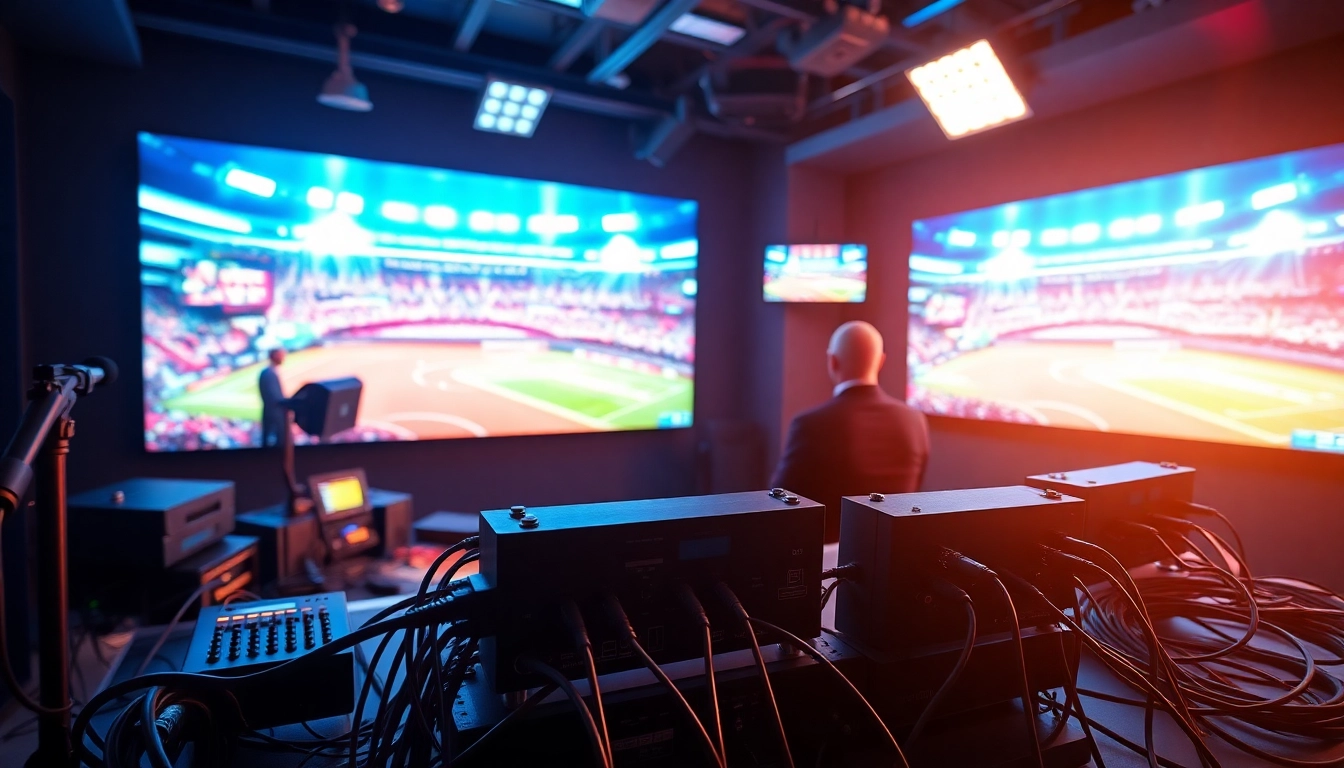
Understanding Sports Broadcasting Fundamentals
What Is Sports Broadcasting?
Sports broadcasting is the dissemination of sports-related content to an audience via television, radio, or digital platforms. It encompasses a wide array of activities, including live game commentaries, expert analyses, highlights, and pre- and post-game shows. The goal is to engage fans and provide them with timely and relevant information about their favorite teams and athletes. The Sports Broadcasting landscape has expanded significantly in recent years, enabling broader access through various multimedia platforms and delivering content to global audiences.
The Evolution of Sports Broadcasting
The evolution of sports broadcasting is a fascinating journey that reflects technological advancements and changing consumer behavior. The early days of sports broadcasting began in the 1920s with radio broadcasts of baseball games, which tapped into the popularity of the sport and brought live gameplay details to fans who couldn’t attend the games in person. The introduction of television in the mid-20th century transformed the industry dramatically, allowing audiences to experience the excitement of live sports from their living rooms.
Over the decades, innovations such as satellite transmission, cable television, and now streaming services have revolutionized how sports are consumed. With the rise of the internet and mobile technologies, fans can now access sports content from anywhere in the world, increasing the demand for 24-hour coverage, highlights, and analysis.
Key Technologies in Sports Broadcasting
Several technologies play a vital role in sports broadcasting today. High-definition cameras have enhanced the viewing experience, while instant replay technology enables broadcasters to deliver real-time analysis and highlights with precision. Virtual and augmented reality are also being integrated into broadcasts, providing immersive experiences for viewers at home.
Moreover, advancements in streaming technology allow for seamless delivery of sports content on various platforms, further democratizing access to live games and highlights. Drones are increasingly used for aerial footage, capturing the excitement from angles that were once impossible to achieve.
The Role of Content in Sports Broadcasting
Creating Engaging Sports Content
Content is at the heart of successful sports broadcasting. Engaging content not only informs but also entertains viewers. Broadcasters must craft narratives that resonate with fans, incorporating elements such as player backstories, statistical insights, and dramatic moment recaps. Incorporating expert commentary and fan interaction can significantly enhance viewer engagement, making the experience more immersive.
The use of storytelling techniques can elevate broadcasts. For example, profiling athletes’ journeys provides audiences with a deeper emotional connection. Creative editing, compelling graphics, and high-quality audio enhance the overall viewer experience.
Types of Coverage in Sports Broadcasting
Broadcasters offer various types of coverage, each designed to cater to different segments of sports audiences. Live event coverage focuses on delivering real-time action to viewers, while analysis programs dissect performances and strategies afterward. Additionally, feature shows provide in-depth looks at athletes, teams, and events, thereby enriching the audience’s understanding of the sport.
Specialty shows, such as talk shows and podcasts, have gained immense popularity, offering a platform for discussions about sports news and issues. Integrating various formats increases the reach and engagement of the broadcast content.
Challenges in Content Creation
Creating compelling sports content is not without its challenges. Competition for viewer attention is fierce, with numerous channels and platforms vying for the same audience. Additionally, broadcasters must navigate tight deadlines, ensuring timely delivery while maintaining high-quality standards.
Another challenge includes adapting content for varied platforms – from traditional TV to social media. Each platform has its nuances, requiring tailored content strategies. Continuous audience feedback is crucial for refining content approaches and staying relevant in a rapidly changing landscape.
Live Sports Broadcasting Techniques
Preparing for Live Events
Preparation for live sports broadcasts requires meticulous planning and coordination. Production teams must conduct thorough research, including analyzing team statistics, understanding player dynamics, and creating segment outlines. Engaging with teams and leagues is also essential for obtaining access to players and coaches during pre-game interviews.
Technical rehearsals ensure that all equipment functions correctly, including audio feeds, camera angles, and graphics integration. Establishing contingency plans for technical failures or unexpected events is crucial for seamless broadcasts.
Commentary and Analysis Best Practices
Commentators and analysts play a pivotal role in live sports broadcasts. They must balance providing insightful analysis with maintaining an engaging narrative. Strong preparation, characterized by research and understanding of the sports dynamics, contributes significantly to commentary quality.
Best practices include allowing the game to breathe, avoiding excessive talking during critical moments, and focusing on enhancing the viewer’s understanding of the game without overwhelming them with technical jargon.
Utilizing Graphics and Visuals Effectively
The effective use of graphics and visuals is crucial in sports broadcasting. Infographics, player stats, and real-time updates enhance the viewer’s experience and understanding. Additionally, incorporating animations and replays can aid in illustrating plays and moments from multiple perspectives.
Keeping graphics consistent and clean, avoiding clutter, is an essential design principle that ensures viewers can easily digest information without distraction.
Marketing Strategies for Sports Broadcasting
Building a Loyal Audience
To thrive in the competitive realm of sports broadcasting, building a loyal audience is key. This involves understanding audience demographics, preferences, and consumption habits. Engaging with fans through interactive content, contests, and live Q&A sessions fosters community and brand loyalty.
Additionally, strategic partnerships with teams, leagues, and sponsorships can mutually reinforce audiences and expand reach, increasing visibility and drawing in new viewers.
Leveraging Social Media in Sports Broadcasting
Social media has revolutionized how sports broadcasting interacts with audiences. Platforms such as Twitter, Instagram, and TikTok serve as vital tools for promoting content, engaging with fans, and sharing live updates. The immediacy of social media allows broadcasters to provide backstage content and highlight reels, deepening the fan experience.
Best practices involve delivering concise, engaging posts that resonate with the audience. Utilizing popular hashtags and engaging with trending conversations can effectively enhance visibility and reach.
Cross-Promotion and Brand Partnerships
Cross-promotion with other brands and platforms can enhance visibility and expand reach. By partnering with complementary brands, sports broadcasters can leverage each other’s audiences to create mutually beneficial relationships. Joint campaigns or events can not only enhance brand image but also introduce content to new demographics.
Measuring outcomes of promotional efforts, such as viewer engagement and reach, is essential for refining future strategies.
Measuring Success in Sports Broadcasting
Key Performance Metrics to Track
Success in sports broadcasting can be quantified through various metrics, including viewership ratings, audience retention, and engagement levels. Tracking viewer behavior during broadcasts, such as peak viewing times and audience drop-off points, provides critical insights into what elements resonate.
Social media engagement metrics such as shares, comments, and likes are also valuable indicators of audience sentiment and interest levels.
Analyzing Viewer Engagement
Understanding viewer engagement extends beyond simply tracking numbers. Conducting audience surveys and feedback collection allows broadcasters to gauge reactions and preferences. Engaging with fans on social media platforms promotes transparency and builds trust, further enhancing loyalty.
Data analytics tools can assess viewer interaction patterns, crucial for tailoring future content to meet audience expectations and preferences.
Adapting Strategies Based on Feedback
Continuous adaptation is vital in sports broadcasting. Based on viewer feedback and performance metrics, broadcasters should be prepared to pivot strategies and innovate content delivery. Being responsive to trends, audience demographics, and evolving technologies is essential for maintaining relevance in the industry.
Regular strategy reviews, assessing both successes and areas for improvement, can help create a more agile broadcasting framework capable of sustaining audience interest over time.
Frequently Asked Questions
What is the importance of sports broadcasting?
Sports broadcasting connects fans with their favorite teams and athletes, enhances fan experience, and promotes community engagement through shared interests.
How can brands leverage sports broadcasting?
Brands can use sports broadcasting for promotions, partnerships, and engaging with fans, enhancing visibility and brand loyalty.
What are the primary technologies used in sports broadcasting?
Key technologies include high-definition cameras, instant replay systems, streaming platforms, and virtual reality for immersive fan experiences.
How do broadcasters measure viewer engagement?
Broadcasters measure engagement using viewership ratings, social media interactions, audience surveys, and feedback collection to assess success.
What types of content are popular in sports broadcasting?
Popular content includes live game coverage, highlight reels, player interviews, analysis shows, and interactive fan engagements.
